What Does “Delivery Exception” Mean? – Definition, Causes & How to Fix
06/25/2026
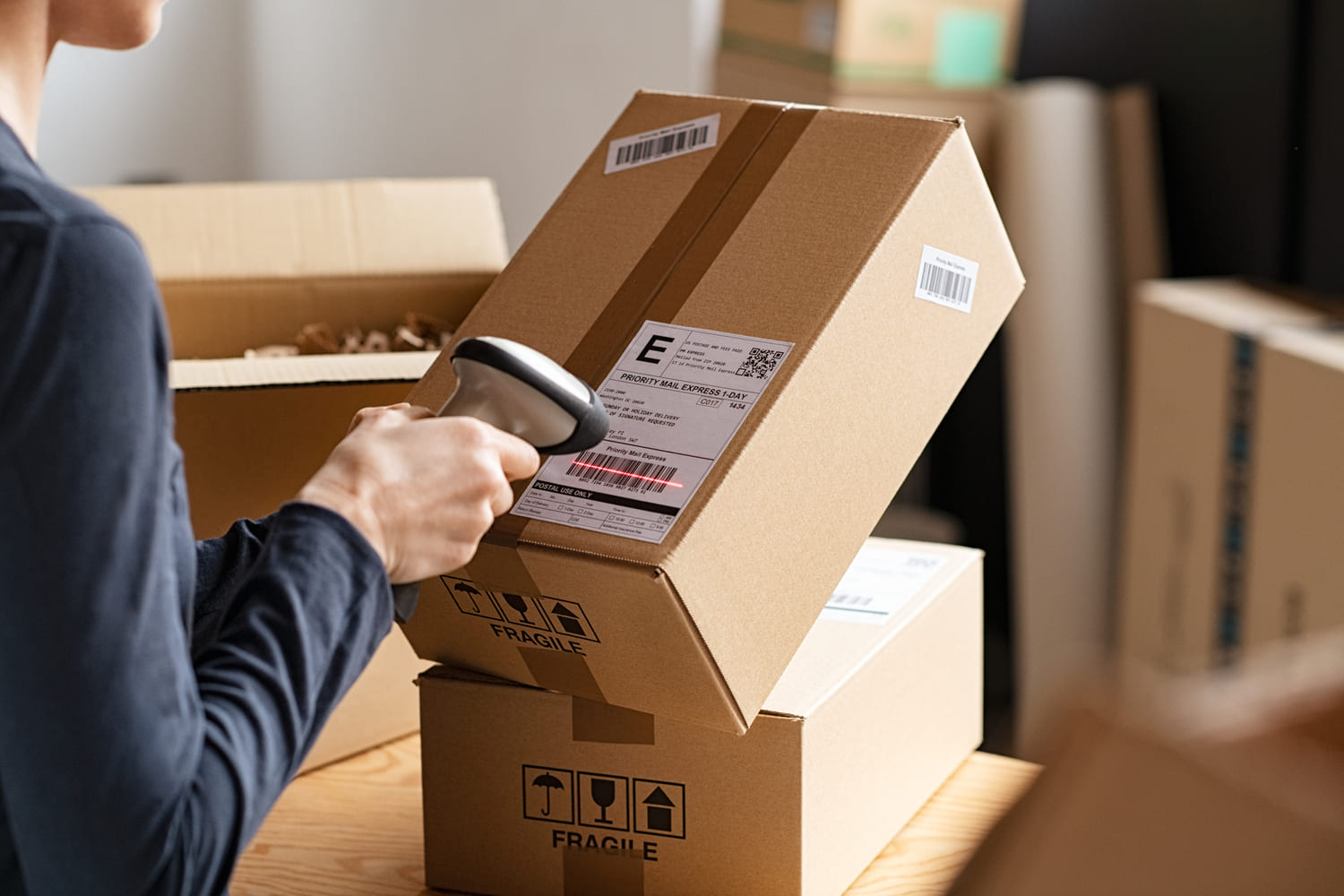
- Definition: A delivery exception (sometimes called a shipment exception) means a carrier encountered an issue preventing scheduled delivery. It signals a temporary delay, not a lost package.
- Where it happens: Delivery exceptions occur in the last mile when the driver is about to deliver; shipment exceptions occur earlier (in transit or at hubs). Both indicate a pause in transit.
- Common causes: Weather disruptions, incorrect or incomplete addresses, missed signatures, customs holds, damaged labels, and even pet interference can trigger exceptions.
- Not necessarily late: Carriers emphasize that exceptions mean delay, not loss. Most parcels are delivered on the next attempt once the issue is fixed.
- How to respond: Check the tracking details for the specific issue, contact the carrier if needed, correct any address or documentation errors, and arrange re-delivery or pickup if available. Proactive updates often resolve exceptions quickly.
- Prevention: Use accurate shipping data, clear labels, proper packaging, and complete customs paperwork. Many exceptions are avoidable with good address verification and communication.
A delivery exception is a carrier tracking status indicating an unforeseen issue that has temporarily delayed your package. It does not mean your parcel is lost, it simply means an unexpected problem needs to be resolved first. For example, a wrong address, severe weather, or a required signature might trigger a “delivery exception.” In logistics terms, an exception in the last-mile (near delivery) is called a delivery exception, while a similar disruption earlier in transit is often called a shipment exception. Both mean the parcel is on hold, not lost. This guide explains common causes of delivery (and shipment) exceptions, how carriers handle them, and what you can do.
What is a delivery exception?
A delivery exception is a tracking status that alerts you an unexpected event has interrupted your shipment. In plain terms, your package is delayed due to a problem – for example, a storm, an address typo, or a missed signature requirement. Importantly, this status is a warning, not a dead end. Carriers report exceptions to explain delays, not to signal a lost parcel.
In logistics, “delivery exception” and “shipment exception” are used interchangeably, but with a subtle difference. A delivery exception usually happens in the final delivery stage (last mile) – e.g. driver can’t access the property or the recipient is unavailable. A shipment exception happens earlier (during transit between facilities, at customs, etc.) – e.g. weather delays, equipment failure or port holdups. In both cases, the package is not lost, just delayed.
Why do delivery exceptions happen?
Exceptions can be caused by factors inside or outside your control. The most common causes include:
- Weather and environmental disruptions: Severe storms, floods, or extreme conditions can force carriers to pause deliveries. For safety, carriers halt routes until conditions improve, causing multi-day delays in some cases.
- Address accuracy problems: One of the most avoidable causes. A missing apartment number, wrong ZIP code, or misspelled street name can prevent delivery. (Cross-border shipments can face extra issues with address formatting or language differences.) Ensuring correct address info is key.
- Recipient unavailable: If a signature is required and no one is home, or the destination business is closed, the carrier will mark an exception. They typically try again on the next business day. Providing delivery instructions or authorizing release can help.
- Customs and regulatory holds: International shipments may be held if paperwork is incomplete, duties unpaid, or extra inspection is needed. The parcel stays at customs until cleared. Complete documentation in advance can prevent these holds.
- Damaged package or label: Carriers may spot a damaged box or unreadable label. In such cases, they remove the package from delivery for inspection or repackaging. It can be an inconvenience but protects the contents.
- Operational or mechanical issues: Vehicle breakdowns, sorting machine problems, or facility congestion can briefly halt progress. These usually resolve within a day or two as backup resources and routes kick in.
- Animal interference and unusual events: Rarely, a pet or wild animal blocks the delivery path. Other unexpected events (strikes, fuel shortages, system outages) can cause system-wide exceptions.
Understanding these causes helps you address the right issue – for example, correcting an address error or waiting out a weather delay.
What Does a Delivery Exception Mean by Carrier?
The meaning of a delivery exception is similar across carriers, but FedEx, UPS, and USPS may use different tracking notes to explain the issue.
FedEx Delivery Exception
A FedEx exception usually means an issue like bad weather, a required signature, a closed delivery location, or a wrong address is blocking delivery. Check the tracking details: FedEx will often reattempt delivery automatically or update the status with next steps.
UPS Delivery Exception
UPS exceptions similarly indicate a change in the plan. Common reasons include an incorrect address, missed delivery attempts, a damaged label, or a weather/access issue. The UPS tracking notes will usually specify the cause. If it says action is needed, update the delivery info (or arrange pickup) or contact UPS customer service with your tracking number.
USPS Delivery Exception
For USPS, a delivery exception means the package couldn’t be delivered or processed as expected. Typical reasons are no mailbox access, incomplete address, weather delays, or the item being held at the post office. If the status doesn’t update within a day or two, contact USPS (or visit your local post office) with the tracking number for details.
In all cases, a delivery exception means delay, not loss. Carriers advise checking the detailed tracking notes and only taking action if the carrier requests more information.
Impact of delivery exceptions on customers and businesses
Even a brief exception can cause frustration. Customers often refresh tracking constantly, call support, and doubt the delivery promise. For businesses, unresolved exceptions lead to:
- Inventory issues: Unexpected delays make actual stock differ from system records.
- Customer service strain: Teams spend time explaining exceptions (often fielding many “Where is my order?” inquiries).
- Trust damage: Repeated exceptions, even if resolved, can make a brand seem unreliable and hurt future sales.
Brands that handle exceptions poorly face bad reviews and high support costs. In contrast, proactive communication (informing the customer about the issue and expected resolution) can actually strengthen trust.
How Should You Respond to a Delivery Exception?
When a delivery exception appears in tracking, the first step is to understand whether the issue requires action or simply needs more time. Some exceptions resolve automatically, while others need updated information from the shipper, carrier, or recipient.
Here’s what to do:
- Review the tracking details carefully
Look beyond the main “delivery exception” message. The detailed tracking notes may explain whether the issue is related to weather, an incorrect address, a missed delivery attempt, customs, or another delay. - Check whether action is required
Some exceptions only mean the package is delayed. Others may require the recipient to confirm an address, pay duties, provide delivery instructions, or be available for a signature. - Contact the carrier if the status does not update
If the tracking page does not change within 24-48 hours, contact the carrier with the tracking number. They can explain whether the package is being reattempted, held, rerouted, or returned. - Correct address or access issues quickly
If the delivery exception is caused by an incorrect address, missing apartment number, closed business, gated property, or unavailable recipient, update the delivery details as soon as possible. - Arrange redelivery or pickup if available
For missed delivery attempts, the recipient may be able to schedule another delivery attempt or pick up the package from a local carrier facility.
For businesses, the most important step is clear communication. Let the customer know what happened, what action is being taken, and when they can expect the next update.
Conclusion
Delivery exceptions are a normal part of modern logistics, and they rarely mean your package is lost. Understanding what they are, why they happen and how to respond ensures that you stay informed and reduces frustration. By validating addresses, preparing documentation and communicating with customers, businesses can prevent many common exceptions and safeguard brand reputation.
Frequently Asked Questions (FAQ) – OLIMP Warehousing
Q: Is a delivery exception the same as a failed delivery?
No. A delivery exception simply means the package could not be delivered at that time. Once the issue is resolved, delivery continues. A failed delivery occurs when the carrier cannot deliver after multiple attempts and may return the package to the sender.
Q: How long does a delivery exception last?
Duration varies based on the cause. Many exceptions resolve within a day or two, though customs holds or severe weather can extend delays to several days.
Q: I have a package with FedEx and it says delivery exception. What does it mean?
A FedEx delivery exception means an unexpected issue is temporarily preventing your package from being delivered. It may be caused by weather, an incorrect address, a required signature, a closed business, or another delay. In many cases, FedEx will try to deliver the package again or update the tracking with the next step.
Q: My UPS tracking says delivery exceptions. What should I do now?
If UPS tracking shows a delivery exception, check the tracking details first to see the reason. The issue may be an address problem, missed delivery attempt, weather delay, or access issue. If action is needed, update the delivery information, schedule a redelivery, or contact UPS with the tracking number.
Q: I am waiting on a USPS package with a delivery exception status. What should I do?
For a USPS delivery exception, review the tracking update to understand the cause. Common reasons include no access to the delivery location, an incomplete address, weather delays, or a missed delivery attempt. If the status does not update within 24–48 hours, contact USPS or visit the local post office with the tracking number.
Q: What does it mean if the exception says address requires correction?
“Address requires correction” means the carrier cannot complete delivery because the address is missing, incorrect, or unclear. This can happen when an apartment number, suite number, ZIP code, street name, or business name is wrong or incomplete. Update the address as soon as possible to avoid further delay or return to sender.
Q: How do I contact the carrier about a delivery exception status?
To contact the carrier, use the tracking number on the carrier’s official website or customer support page. Check the detailed tracking notes first, then contact support if the package is not moving, the address needs correction, the delivery attempt failed, or the package is being held for pickup.
Q: How do I fix or respond to a delivery exception?
First, read the detailed tracking notes and see if the carrier lists a reason. Then take action as needed: correct any address errors, provide missing documentation or payment, or reschedule delivery/pickup. If nothing changes in 24–48 hours, contact the carrier with your tracking number for guidance.
Q: What does a FedEx, UPS or USPS delivery exception mean?
For FedEx, exceptions often involve weather, required signatures, closed delivery locations, or address issues. UPS exceptions similarly indicate address problems, missed attempts, weather delays, etc.. USPS exceptions commonly mean no mailbox access or incomplete address. In all cases, check the carrier’s tracking notes – they usually explain the issue – and follow any instructions (or contact the carrier) to resolve it.
Q: What does “Address requires correction” mean?
This message means the carrier can’t deliver because the address is wrong or incomplete. For example, a missing apartment number, bad ZIP code, or incorrect street name. You should update the address immediately (if possible) to avoid the package being returned.
You may be interested in
How E‑commerce Is Reshaping U.S. Logistics Real Estate in 2026
The e‑commerce boom continues to transform how goods move through the U.S. supply chain. As online penetration climbs toward 20 % of global retail sales by 2026, digital retailers and their logistics partners are racing to secure warehouse space. Research by Prologis shows that e‑commerce companies will account for nearly a quarter of all new […]

Best Ecommerce Shipping Solutions & Logistics Platforms (2026)
Modern shoppers expect fast shipping, real‑time tracking and painless returns. For ecommerce brands juggling multiple carriers and fulfilment centres, meeting those expectations can be overwhelming. Shipping aggregators and logistics platforms solve this problem by connecting your store to dozens of carriers and automating everything from rate shopping to label printing. In this updated guide for […]
Dock-to-Dock Delivery: A Comprehensive Guide
Dock-to-dock delivery means shipping goods straight from one loading dock to another with no intermediate stops. In other words, a shipment is picked up at the origin dock and delivered directly to the destination dock, bypassing extra handling or storage. This direct approach cuts out delays and extra labor – making deliveries faster, cheaper, and […]
Ready to streamline your warehousing needs?
Request a quote today and discover how OLIMP's tailored solutions can optimize your operations