Modern Paper Handling & Storage: Best Practices for Warehouses in 2026
05/08/2026
- Paper is sensitive to humidity and temperature: Paper absorbs moisture quickly. Maintain relative humidity between 40–50 % (35–55 % for general printing papers) and keep temperatures around 20–24 °C (68–76 °F).
- Climate‑controlled warehouses are essential:. HVAC systems, dehumidifiers and insulation keep moisture and temperature stable. Sensors monitor environmental conditions and trigger alerts.
- Protect packaging and store paper flat: Keep paper in its original wrapping and store reams horizontally to avoid buckling. Use pallets or solid shelves to prevent “patterning” on paper.
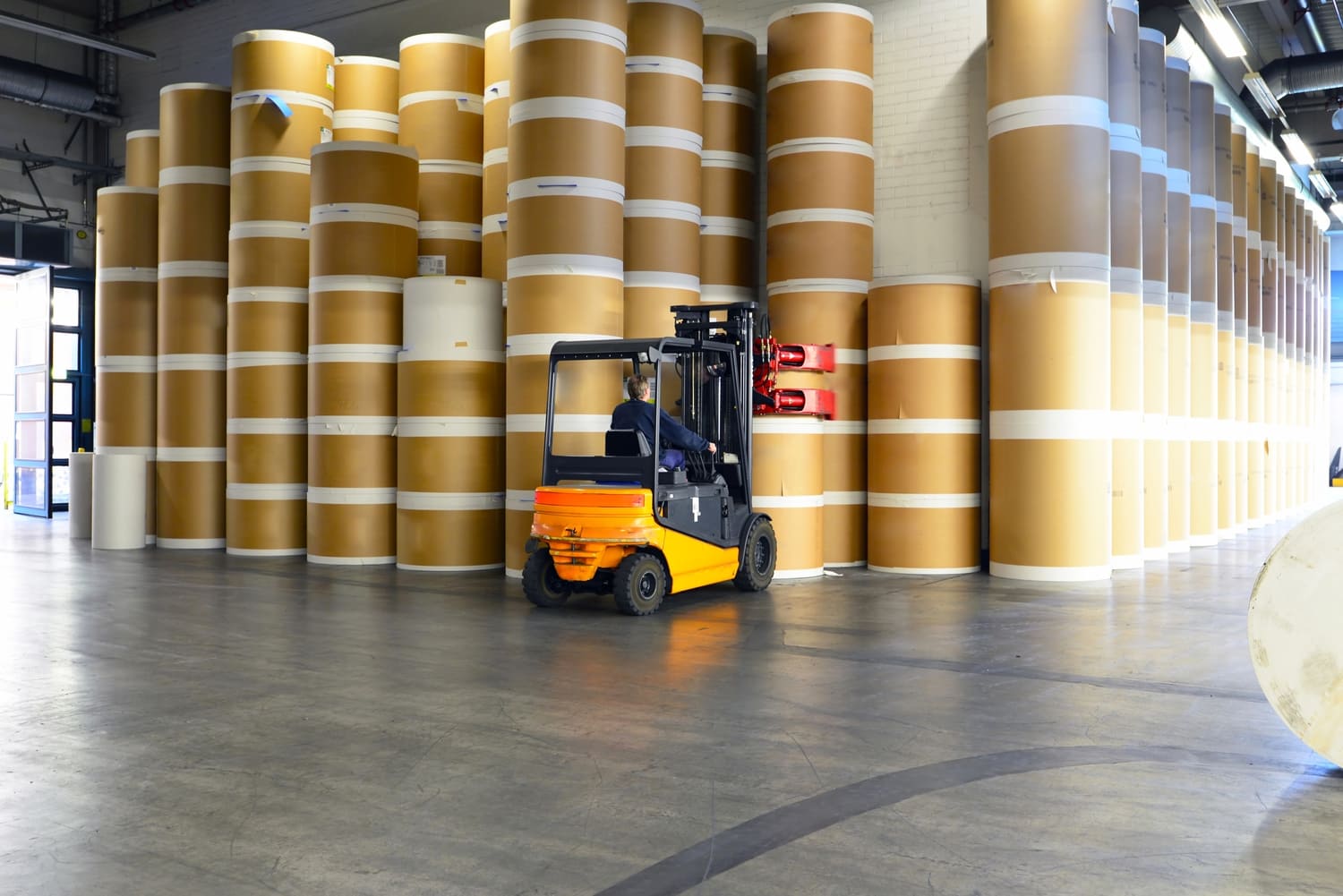
- Use specialized equipment: Clamp trucks, roll cradles and vacuum lifters handle heavy rolls without crushing them.
- Leverage digital systems and IoT: Warehouse management software tracks inventory and supports FIFO rotation. IoT sensors monitor humidity and temperature. AI‑driven systems optimize energy use, predict maintenance and improve demand forecasting.
- Sustainability matters: Sustainable disposal, recycling and energy‑efficient systems reduce waste and operating costs.
- Future trends: Automation, robotics, predictive analytics and circular supply chains are shaping paper warehousing for 2026 and beyond.
Paper seems simple, but it is one of the most sensitive materials stored in warehouses. It absorbs moisture quickly, can crack when too dry and often weighs thousands of pounds per roll. Improper handling or storage can ruin an entire inventory, halt printing presses and erode customer trust. As digital tools and sustainability initiatives reshape warehousing, businesses need a clear, research‑backed guide to paper handling and storage. This article synthesizes industry guidelines, scientific studies and modern technology trends to help logistics managers, printers and packaging suppliers protect their paper products and operate efficiently.
Understanding paper’s sensitivity: moisture, temperature and light
Why humidity and temperature control are vital
Paper is hygroscopic, meaning it naturally absorbs or releases moisture until it reaches equilibrium with the air around it. When relative humidity exceeds about 65 %, cellulose fibers draw in moisture within seconds, causing sheets to expand, curl or become limp. Conversely, low humidity causes paper fibers to lose moisture, shrink and become brittle, leading to fold cracking and static electricity. Scientific guidelines therefore recommend maintaining:
- Relative humidity around 40–55 %: Paper mills often aim for 40–50 % RH at about 72 °F, while storage guidelines for paper documents suggest 35–45 % RH. Staying within this range reduces curling, mold and brittleness.
- Temperature between 20–24 °C (68–76 °F): Keeping paper at roughly 22 °C (72 °F) maintains moisture equilibrium and avoids “paper shock” when moving from cold transport to warm press rooms. Warehouse recommendations for print environments align with this range.
- Avoid rapid changes: Sudden swings in humidity or temperature stress paper fibers. Let rolls and reams acclimate for at least 24 hours before printing or converting.
- Monitor micro‑climates: Moisture can migrate within a warehouse; rolls near concrete floors may absorb ground moisture, while those near heating units may dry out. Use vapor barriers, pallets and elevated platforms to avoid contact with damp surfaces.
Sensors and climate control systems
Manual checks aren’t enough to maintain stability. Modern warehouses deploy networks of humidity and temperature sensors that feed data to building management systems. These systems automatically adjust HVAC outputs and trigger alerts when conditions drift outside acceptable ranges. Sophisticated facilities integrate smart HVAC, dehumidifiers and data analytics to fine‑tune energy use while safeguarding paper. In high‑risk zones, IoT sensors continuously monitor micro‑climates and send real‑time alerts to mobile devices.
Protect packaging from sunlight and dust
Paper manufacturers wrap reams and rolls in protective packaging designed to maintain moisture content and block dust. Leave paper in its original wrapping until just before use, removing it prematurely exposes paper to humidity fluctuations and contaminants. For long‑term storage, guidelines also advise keeping paper away from direct sunlight; UV exposure can discolor lignin and dyes.
Packaging and stacking: keep it flat, supported and protected
Store reams flat and off the floor
Improper stacking is a common cause of paper damage. Best practices include:
- Lay reams horizontally: Storing reams on end causes edge damage, buckling and uneven stress. Horizontal storage distributes weight evenly.
- Use solid shelves or pallets: Wire shelving can imprint patterns on paper; solid surfaces spread the weight and protect sheets. Pallets and shelves also keep paper away from moisture‑prone concrete floors.
- Don’t over‑stack: Excessive stacking crushes bottom layers. Follow manufacturer guidelines for maximum stack height and separate heavy cardboard from lightweight products.
- Label and inspect: Inspect reams for indentations, damp spots or tears before storage. Clear labeling and date stamping support first‑in, first‑out (FIFO) rotation.
Vertical versus horizontal storage for rolls
Large paper reels can be stored vertically (“eye‑to‑the‑sky”) or horizontally (“eye‑horizontal”). According to a 2024 guide on paper reel handling, non‑palletized reels should be stacked vertically; horizontal storage is discouraged because the weight can deform the roll area in contact with the floor. Key points include:
- Vertical stacking: Reels are stacked on a single base with small gaps between stacks to avoid damage from forklift clamps. Stack height depends on reel diameter and width; larger diameters allow taller stacks, but guidelines cap the height at 7.5 m.
- Horizontal storage: If necessary, avoid stacking reels and keep them horizontal only temporarily.
- Protective measures: Place cardboard protection on roll ends and store the protected end on the floor; wrap reels in plastic to prevent moisture infiltration.
- Avoid sunlight: Remove the outer layer of paper if exposed to light and discoloration occurs.
Handling equipment and operator training
Paper reels and stacked pallets are heavy. Specialized equipment reduces damage and keeps workers safe:
- Clamp trucks and forklifts with roll clamps lift heavy rolls without pallets and allow rotation. Forklift clamps should be kept vertical during transport; guidelines caution against rotating clamps while moving, and recommend releasing the reel only when it is resting on the ground.
- Vacuum lifters and robotic grippers gently lift smaller rolls or sheets, reducing deformation and labor.
- Proper clamp pressure matters: For reels weighing 2 – 3 t, a clamp pressure of about 180 bar is recommended; too much pressure can deform the mandrel, while too little causes slips.
- Train operators: Staff must understand equipment settings and approach angles to avoid crushing rolls or causing accidents.
- Use transition zones: When moving paper between climate‑controlled warehouses and outdoor docks, minimize exposure time and use protective wraps to prevent moisture shock.
Inventory management and digital solutions
Warehouse management and tracking
Efficient paper warehousing relies on precise inventory control. Modern warehouse management systems (WMS) log each roll or pallet with time stamps, locations and condition. Barcode or RFID tagging allows quick lookup, supports FIFO rotation and provides customers with real‑time data. Integration with transport management systems enables just‑in‑time (JIT) operations and reduces obsolete stock.
AI, predictive analytics and IoT
Emerging technologies are transforming paper warehousing:
- AI‑driven forecasting: Machine‑learning models analyze sales patterns, seasonality and market trends to predict replenishment needs, helping to avoid stockouts and reduce excess inventory.
- Predictive maintenance: Sensors gather vibration and temperature data from forklifts and HVAC systems; AI models predict failures so teams can schedule repairs before breakdowns.
- IoT monitoring: Real‑time sensors track humidity, temperature and air quality across storage zones. Drones equipped with cameras and RFID scanners can perform inventory counts in high racks, improving accuracy and safety.
- Data‑driven decisions: Unified data streams and end‑to‑end visibility enable rapid responses to disruptions and smarter inventory allocation.
Fire safety and risk management
Paper is highly flammable, so warehouses must implement robust fire‑safety measures. Install sprinkler or water‑mist suppression systems, maintain 24/7 monitored fire alarms and ensure clear aisle spacing for emergency access. Enforce strict no‑smoking policies and keep ignition sources away from storage areas. Regular safety drills and equipment inspections reduce risk and improve preparedness.
Sustainability and circular practices
Energy efficiency and renewable integration
Sustainability is becoming integral to warehouse operations. Operators invest in energy‑efficient HVAC, LED lighting with motion sensors and rooftop solar panels. Smart energy management systems adjust climate control based on occupancy, cutting costs while preserving paper quality.
Green packaging and disposal
Adopting circular practices reduces waste and improves profitability. Recycle clean cardboard, reuse intact boxes and compost uncoated tissues. Use custom paper packaging within 12 months to avoid dust accumulation and material degradation. Establish channels for returning and refurbishing materials rather than discarding them, and work with partners who prioritize sustainable sourcing.
Circular supply chains and reverse logistics
Circular supply chains keep materials in circulation, reducing reliance on virgin fiber. Return hubs, AI decision platforms and blockchain tracking help determine whether returned products should be resold, refurbished or recycled. Transparent tracking also verifies sustainability claims and deters fraud.
Emerging trends shaping paper warehousing
The warehousing sector is rapidly evolving. Trends influencing paper storage include:
- Automation and robotics: Autonomous mobile robots (AMRs), automated guided vehicles (AGVs) and automated storage/retrieval systems (ASRS) move heavy rolls and pallets efficiently, reduce labor and optimize vertical space.
- AI‑powered warehousing: Artificial intelligence optimizes picking routes, stock allocation and demand forecasting; warehouses that delay AI adoption risk falling behind.
- Cybersecurity and resilience: As warehouses digitize, layered security protects systems against cyber threats and ensures continuous operations.
- Real‑time visibility: Unified data streams across supply chains provide real‑time insights, enabling faster decisions and better customer service.
Conclusion
Proper paper handling and storage safeguard product quality, protect investments and support efficient operations. By controlling humidity and temperature, keeping paper in its original packaging, stacking reams and reels correctly, using specialized equipment and leveraging modern digital tools, warehouses can prevent moisture damage, warping and contamination. Sustainable practices and circular supply chains further reduce environmental impact and operating costs. As automation, AI and IoT reshape the industry, companies that adopt these best practices will deliver superior service, protect their inventories and contribute to a resilient, sustainable supply chain.
Frequently Asked Questions (FAQ) – OLIMP Warehousing
Q: What humidity is best for storing paper?
Relative humidity between 40 % and 55 % is ideal for most paper products. Some guidelines for archival documents recommend a slightly lower range of 35–45 % RH. Staying within this band prevents curling, warping, mold growth and brittleness.
Q: What temperature should a paper warehouse maintain?
Keep paper at 20–24 °C (68–76 °F). Let paper acclimate for at least 24 hours before printing or converting to avoid “paper shock” caused by sudden temperature shifts.
Q: Why should paper stay in its original packaging?
Manufacturers wrap paper to maintain its moisture content and protect it from dust. Removing the wrapper too early exposes paper to humidity swings, causing jams and poor print quality. Keep paper sealed until you’re ready to use it.
Q: Should paper reels be stored vertically or horizontally?
Industry guidelines recommend vertical stacking for unpalletized reels. Horizontal storage can deform rolls due to their weight and should only be used temporarily. Always follow manufacturer recommendations for stack height and spacing.
Q: What equipment is needed to handle large paper rolls?
Specialized equipment protects heavy rolls and workers. Clamp‑truck forklifts with roll clamps, vacuum lifters and robotic grippers lift and rotate rolls safely. Proper clamp pressure (around 180 bar for 2–3 t reels) prevents deformation or slippage. Operators should be trained on equipment settings and handling techniques.
Q: How can technology improve paper warehousing?
Modern warehouses use WMS platforms, barcodes or RFID tags, and IoT sensors to track inventory, monitor climate and automate operations. AI and predictive analytics forecast demand, optimize stock allocation and schedule maintenance, reducing downtime and excess inventory.
Q: What are sustainable practices for paper storage?
Implement energy‑efficient HVAC systems, LED lighting and rooftop solar. Recycle or reuse protective packaging and cardboard, and adopt circular supply chains that refurbish or recycle returned materials. Using custom packaging within 12 months prevents dust accumulation and material degradation.
You may be interested in
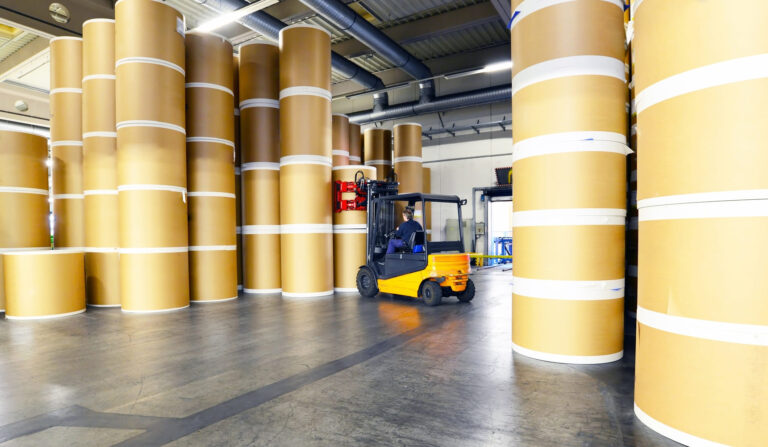
Paper Warehousing and Logistics: Climate‑Controlled Storage & Specialized Services
Paper warehousing is the process of storing and managing paper products-such as rolls, sheets, packaging materials and pulp-in controlled environments to preserve quality and facilitate distribution. Unlike generic dry storage, paper warehouses are equipped with humidity control, temperature regulation, specialized racking and handling equipment. Without these measures paper can quickly absorb or lose moisture; studies […]

Amazon FBA vs 3PL: 2026 U.S. Cost Comparison and Guide
A 3PL (third-party logistics) provider is a company you outsource warehousing and fulfillment to, typically covering storage, pick/pack, shipping, and often returns. Fulfillment by Amazon (FBA) is a program where you send inventory into Amazon’s network and Amazon stores it, then picks, packs, ships, and handles customer service and returns, while also enabling fast Prime […]
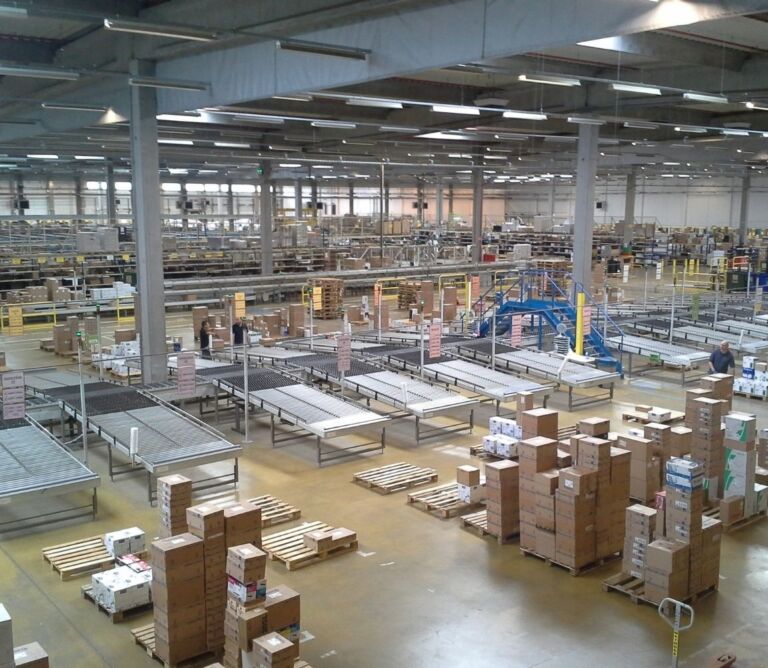
Best On-Demand Warehousing Platform for Short-Term Overflow Storage
When warehouses reach capacity during peak seasons, promotions, or unexpected supply chain disruptions, businesses need fast access to additional storage. On-demand warehousing platforms solve this challenge by connecting companies with available warehouse space exactly when it’s needed. Among these solutions, OLIMP’s on-demand warehousing platform helps businesses quickly secure short-term overflow storage across thousands of warehouse […]
Ready to streamline your warehousing needs?
Request a quote today and discover how OLIMP's tailored solutions can optimize your operations