Gulf & Southeast Cold Storage: Strategic Hubs, Facility Types & Costs
03/26/2026
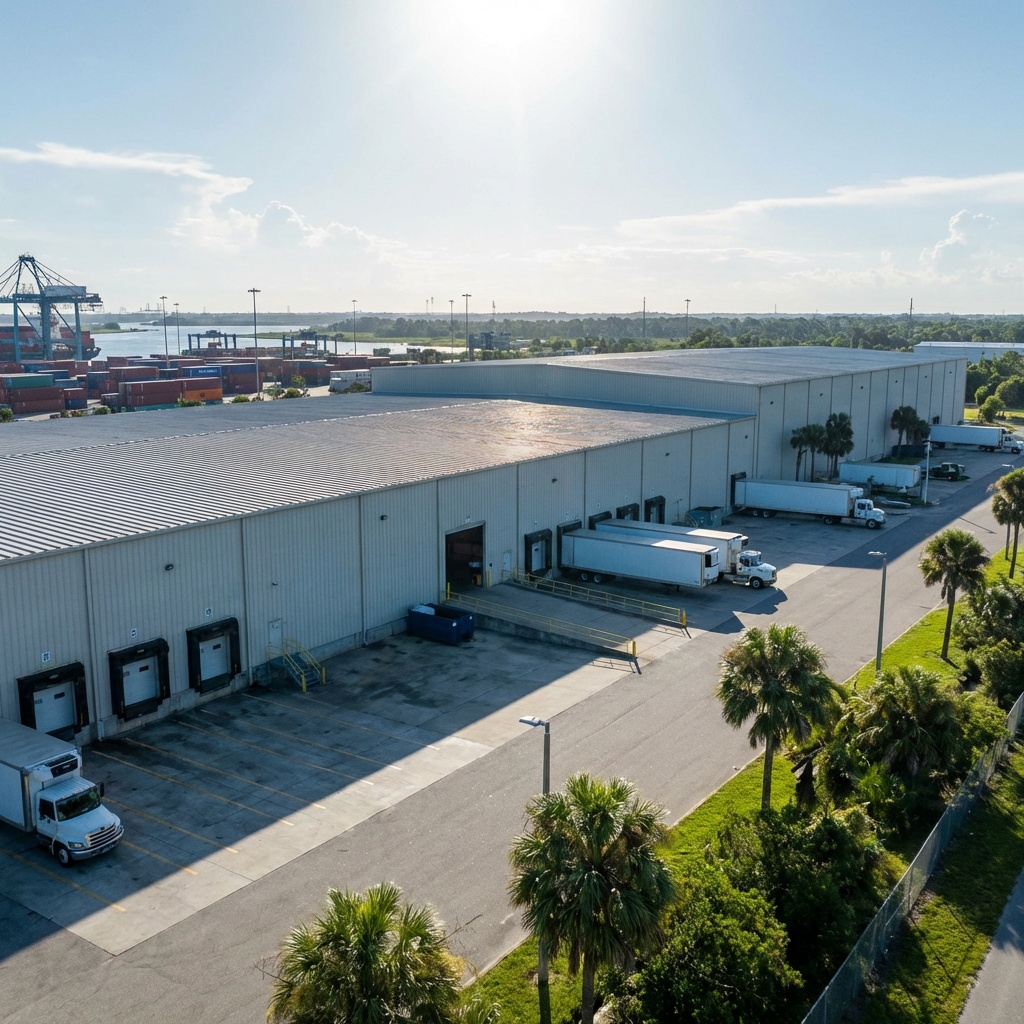
- Ideal region: The Gulf & Southeast corridor offers expanding ports, growing populations and proximity to agriculture and seafood.
- Hubs: Key cold‑storage hubs include Houston, Miami, Atlanta, Jacksonville, Savannah and New Orleans, each with unique advantages.
- Industries: Cold storage supports foods, seafood, pharmaceuticals, flowers and chemicals.
- Facility types: Options range from chilled and frozen warehouses to blast freezers and multi‑temperature facilities.
- Finding space: Companies can use 3PLs, build their own warehouses or tap on‑demand platforms like OLIMP.
- Costs: Expect US$8–25 per pallet per month for storage, with higher rates for frozen zones and extra services. Building costs range from US$130–350 per square foot.
A reliable cold chain keeps perishable foods, pharmaceuticals and other temperature‑sensitive goods safe from spoilage. The Gulf and Southeast United States have emerged as strategic hubs for refrigerated logistics thanks to their expanding ports, growing population centers and access to agricultural production. This article examines why the region is attractive for cold storage, highlights key warehouse locations, outlines facility types and costs, and explains how businesses can secure space through third‑party providers and on‑demand platforms.
What is Cold Storage and Why It Matters
Cold storage refers to temperature‑controlled warehousing that preserves perishable goods by slowing microbial growth and chemical reactions. Chill warehouses maintain roughly 2–8 °C for produce, dairy and beverages, while frozen facilities hold –18 °C or lower for meats, seafood and ice cream. These buildings form part of the wider cold chain, a network of refrigerated storage and transport that protects food safety, pharmaceutical efficacy and product quality. Recent years have seen surging demand for cold storage due to demographic growth, changing diets and e‑commerce. The Gulf and Southeast United States have become particularly attractive because they combine growing population centers with expanding ports and agricultural production.
Why the Gulf and Southeast US Are Strategic for Cold Storage
Several factors make the Gulf Coast and Southeast corridor ideal for cold storage logistics:
Population growth drives demand: Census estimates show that states like South Carolina, Florida and Georgia were among the fastest‑growing in 2024‑2025. Population increases translate into more retail density and consumer demand for fresh foods, tightening replenishment cycles and boosting regional inventory requirements.
Port expansion strengthens the corridor: The Port of Savannah handled approximately 5.7 million TEUs in 2025 and continues to expand, while Jacksonville and Charleston are also increasing capacity. Enhanced drayage efficiency, rail access and container turnaround at these ports support faster inland freight velocity.
Proximity to agricultural and seafood supply chains: The Gulf Coast sits near major fisheries and produce‑growing regions, and Texas’ border with Mexico funnels produce, proteins and pharmaceuticals across the border daily. This makes Texas and neighbouring Gulf states natural staging grounds for perishable imports and exports.
High‑value freight arteries: Texas sits atop north‑south interstates connecting the Midwest and east‑west lanes feeding both coasts, plus two of the busiest air‑cargo gateways in Dallas/Fort Worth and Houston and a rapidly expanding Gulf Coast port system. Such connectivity reduces transit times and supports e‑commerce growth.
Together, these factors create a logistics ecosystem where port access, demographic density and multimodal infrastructure converge.
Major Cold Storage Hubs in the Gulf and Southeast US
Below are six key cities that anchor the region’s cold‑chain network. Each hub offers unique advantages, from direct port access to strong inland connectivity.
Houston, Texas
Houston is a major Gulf Coast gateway with strong connections to international trade. Its central location and access to highways and rail networks make it a key hub for distributing temperature‑sensitive goods across the Southwest and Midwest. Texas also benefits from daily flows of produce, proteins and pharmaceuticals across its border with Mexico, and from busy air‑cargo gateways in Dallas/Fort Worth and Houston.
Why Houston matters:
- Central position on north‑south and east‑west freight corridors.
- Access to two major airports and the Port of Houston.
- Proximity to Mexican produce and meat supply chains.
Miami, Florida
Miami serves as one of the primary entry points for perishable imports from Latin America. PortMiami is often called the “cargo gateway of the Americas” because it offers a tunnel, rail connections and daily links to Latin America. The region’s 6.2 million residents and 27 million annual tourists drive heavy demand for fresh food; imports of vegetables from Central America grew 182 % between 2019 and 2025. Lineage Logistics’ Miami warehouse provides over 90,000 pallet positions.
Why Miami matters:
- Direct sea and air links to Latin America and the Caribbean.
- High consumer demand from local residents and tourists.
- Rapid growth in perishable imports (58 % increase from 2018–2022).
Atlanta, Georgia
Atlanta is a major inland logistics hub with multiple interstate corridors that support fast distribution across the Southeast. The city’s Hartsfield–Jackson airport offers global air connectivity, and its rail networks link the Southeast to the Midwest and Northeast. Although not a port city, Atlanta acts as a bridge between coastal hubs and inland markets.
Why Atlanta matters:
- Central location for distributing to the Southeast and Midwest.
- Access to I‑75, I‑85 and I‑20.
- Strong air freight and rail connectivity.
Jacksonville, Florida
Jacksonville offers strong port access along with direct connections to major highways like I‑95 and I‑10. Its location makes it ideal for distributing goods throughout Florida and neighboring states. The port is deepening its harbor and adding refrigeration capacity to attract more container lines.
Why Jacksonville matters:
- Deepwater port with expanding cold‑storage capacity.
- Access to Florida’s largest highway network.
- Gateway for seafood and agricultural imports.
Savannah, Georgia
Savannah is one of the fastest‑growing port cities in the United States. The Port of Savannah handled approximately 5.7 million TEUs in 2025 and offers efficient drayage and on‑port USDA inspections. Vertical Cold Storage operates a facility near the port with 36,000 pallet positions, 349,000 sq ft, –20 °F to +45 °F zones, 40 dock doors, import/export services and blast freezing.
Why Savannah matters:
- Rapidly growing port and efficient operations.
- Multi‑temperature warehouse capacity near I‑95 and I‑16.
- On‑site USDA inspections and drayage carriers.
New Orleans, Louisiana
New Orleans provides strategic access to the Mississippi River and Gulf shipping lanes. It plays an important role in moving agricultural products, seafood and other perishable goods throughout the central United States.
Why New Orleans matters:
- Direct access to Gulf and Mississippi River shipping lanes.
- USDA inspection and blast‑freezing facilities.
- Connections to major inland markets via waterways, rail and highways.
If you need cold storage facilities in any of these cities, OLIMP can help connect you with available warehouse space quickly and efficiently across its nationwide network.
Industries That Depend on Cold Storage
Cold storage underpins several sectors:
- Frozen and refrigerated foods: Meat, poultry, seafood, dairy and frozen meals all require chilled or deep‑freeze storage to preserve quality. The Houston, Savannah and New Orleans facilities are geared toward protein exports.
- Produce and floral imports: Miami’s perishables facility is designed to process fruits, vegetables and flowers; electron‑beam treatments extend shelf life without chemicals.
- Pharmaceuticals and biologics: Ultra‑low‑temperature storage is essential for vaccines and biologics. Cold storage providers often include dedicated pharmaceutical zones with strict temperature controls.
- Meat processing and seafood distribution: Ports like Savannah and New Orleans enable blast freezing and rapid export of beef, pork and seafood to domestic and global markets.
- Produce distribution and retail: Population growth in the Southeast drives demand for fresh produce, dairy and prepared foods, requiring regional cold warehouses.
Types of Cold Storage Facilities
- Refrigerated (chill) warehouses: Maintain 2–8 °C for produce, dairy and beverages. These zones slow ripening and bacterial growth without freezing.
- Frozen warehouses: Keep goods at –18 °C or colder for meats, seafood and ice cream. Deep‑freeze conditions lock in freshness and prevent bacterial activity.
- Blast chillers/shock freezers: Rapidly freeze products straight from production to preserve texture and safety before long‑term storage.
- Controlled‑atmosphere storage: Regulates oxygen, carbon dioxide and humidity in addition to temperature for certain fruits and vegetables.
- Multi‑temperature warehouses: House chilled, frozen and ambient zones under one roof, enabling diverse product storage.
How Businesses Find Cold Storage in the Gulf and Southeast US
Companies have several options when sourcing refrigerated warehouse space:
Third‑party logistics (3PL) providers. Many cold‑storage developers operate large public warehouses near ports that serve multiple clients and offer value‑added services like blast freezing, inventory management and customs processing.
Dedicated facilities. Manufacturers or large grocery distributors sometimes build proprietary cold warehouses near production sites or distribution hubs for greater control.
On‑demand platforms. Digital marketplaces connect businesses with vetted cold‑storage providers across North America. For example, OLIMP’s platform links companies to a nationwide network of certified cold‑storage warehouses with flexible terms, refrigerated and frozen zones, fast inbound/outbound handling and integrated logistics services. Such platforms help shippers quickly secure short‑term overflow storage or long‑term capacity near Gulf and Southeast ports.
Benefits of Using Cold Storage Near Gulf Ports
Locating cold storage close to ports offers several advantages:
- Import/export efficiency: Facilities near Houston, Savannah and New Orleans minimize drayage and allow cargo to move quickly from container to cold storage. Port Savannah performs USDA, FDA and Customs inspections on‑port in temperature‑controlled environments, reducing handling and cost.
- Seafood logistics: Gulf ports sit near major fisheries. New Orleans’ Jourdan Road facility and Texas’ border warehouses facilitate rapid handling of seafood, improving quality and safety.
- Faster distribution to Southeast markets: Ports such as Savannah are closer to Atlanta than any other East Coast port, enabling efficient distribution to Southeast and Midwest population centers. Similarly, Texas ports provide a gateway to the Midwest and East Coast via major highways.
How Much Cold Storage Costs
Cold‑storage pricing is typically calculated per pallet per month. Industry surveys indicate that standard cold‑storage rental rates range from US$8 to US$25 per pallet per month, depending on location, temperature zone and service level. Frozen storage at –18 °C costs more than chilled storage at 2–8 °C. Construction costs for cold warehouses range from US$2,600 to US$3,700 per square meter, reflecting the specialized refrigeration and insulation required. Extra services-such as inventory management, order picking, or specialized racking-can increase rates. Longer lease terms often yield lower per‑pallet or per‑square‑foot pricing.
Conclusion
The Gulf and Southeast United States have emerged as indispensable nodes in the global cold‑chain network. Rapid population growth, port expansions and multimodal connectivity attract investment in refrigerated warehouses from Houston to Miami and Savannah. These facilities support everything from protein exports and fresh produce imports to pharmaceuticals and floral cargo. By understanding regional hubs, facility types, costs and sourcing options, businesses can build resilient supply chains and maintain product integrity. Whether you need short‑term overflow capacity or a long‑term distribution center, exploring the Gulf and Southeast’s cold‑storage landscape can unlock efficiencies.
Looking for refrigerated warehouse space? Explore our cold‑storage facilities in the Gulf and Southeast United States to keep your perishable goods moving.
Frequently Asked Questions (FAQ) – OLIMP Warehousing
Q: What are the typical capacity and temperature ranges in Savannah-area cold storage?
Cold storage in the Savannah area typically supports thousands of pallet positions and includes multiple temperature zones, such as:
•Refrigerated storage: 2–8°C (35–46°F)
•Frozen storage: -18°C (0°F) or lower
•Blast freezing for rapid temperature reduction
These capabilities make Savannah ideal for handling seafood, meat and produce imports.
Q: How does cold storage logistics compare between Florida and Georgia ports?
•Florida (Miami, Jacksonville): Strong for international imports, especially from Latin America, with high volumes of produce, seafood and pharmaceuticals.
•Georgia (Savannah): Known for fast port operations and strong rail connectivity, making it highly efficient for inland distribution.
Both regions offer strong cold chain capabilities, but the best choice depends on origin, destination and transit time requirements.
Q: What are the advantages of cold storage near Port NOLA and Gulfport?
Cold storage near Gulf ports like New Orleans and Gulfport offers:
•Close proximity to seafood and agricultural supply chains
•Direct access to international shipping routes
•Strong inland connections via river, rail and highway
•Faster turnaround for imports and exports
These advantages help reduce transit time and preserve product quality.
Q: What are the main cold‑storage hubs in the Gulf and Southeast US?
The region’s core hubs are Houston (TX), Miami (FL), Atlanta (GA), Jacksonville (FL), Savannah (GA) and New Orleans (LA). These cities combine port access, highway connectivity and growing demand.
Q: Why is the Southeast ideal for cold storage?
States like Florida, Georgia and Texas have fast‑growing populations, expanding ports (e.g., Savannah handling ~5.7 million TEUs in 2025) and proximity to agriculture and seafood supply chains.
Q: What products require cold storage?
Perishables such as meat, seafood, dairy, produce, ice cream, flowers, pharmaceuticals and some chemicals require temperature‑controlled environments.
Q: How much does cold storage cost?
Standard rates range from about US$8 to US$25 per pallet per month, with higher rates for frozen or specialized services. Construction costs for new facilities can be US$130–350 per sq ft.
You may be interested in
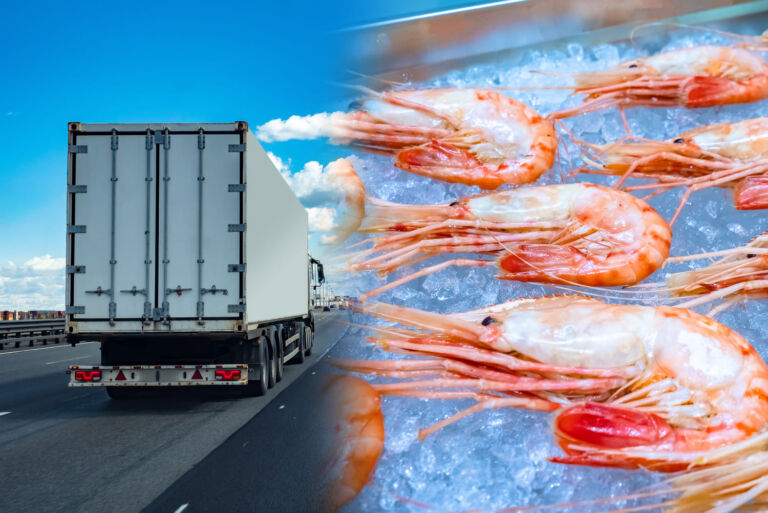
Cold Chain Logistics: Safeguarding Food, Pharma & Electronics
Cold chain logistics refers to the specialized supply chain and warehousing of temperature-sensitive products, from fresh produce and pharmaceuticals to electronics, using refrigeration to prevent spoilage and preserve quality. Temperature-controlled warehousing protects goods from degradation and ensures compliance with strict safety regulations. This sector is booming: the global cold chain market is projected to surge […]

Cold Chain Logistics: Trends, Technology and Best Practices for 2026
Cold chain logistics is the backbone of modern supply chains for food, pharmaceuticals, and other temperature-sensitive products-ensuring goods stay safe, compliant, and high-quality from origin to delivery. As demand for fresh products, biologics, and fast delivery grows, businesses need smarter, more resilient cold chain logistics solutions. From real-time monitoring and AI-driven optimization to sustainable refrigeration […]
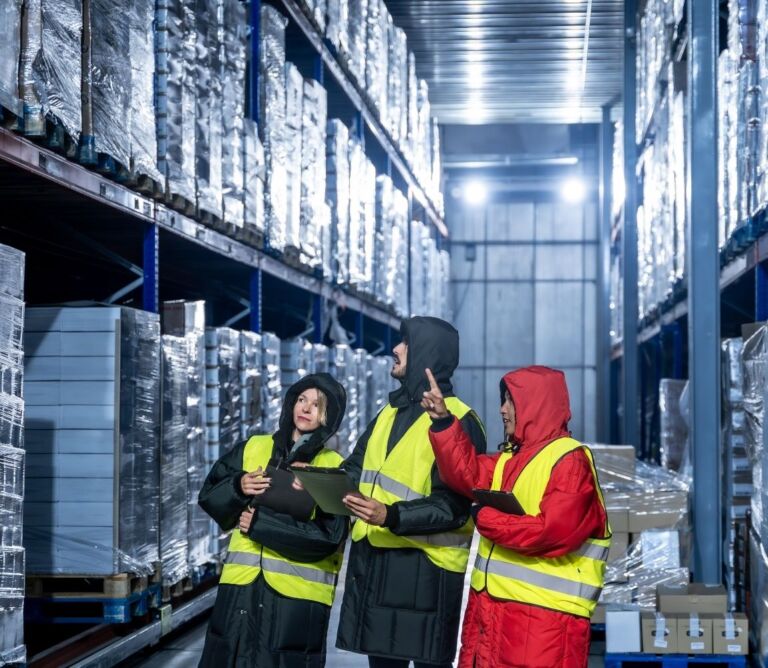
Pharmaceutical Cold Chain Logistics: Keeping Medicines Safe, Compliant & Effective
Pharmaceutical cold chain logistics is the temperature‑controlled network that stores and transports medicines, vaccines and biologics within strict ranges (commonly 2–8 °C for most vaccines).It involves refrigerated warehouses, validated packaging, refrigerated transport and real‑time monitoring to prevent degradation, comply with GDP/FDA/WHO regulations, and protect patient safety.Failure to maintain the cold chain can render drugs ineffective; therefore […]
Ready to streamline your warehousing needs?
Request a quote today and discover how OLIMP's tailored solutions can optimize your operations