Planning for Chinese New Year 2026: How U.S. Importers Can Navigate Major Logistics Disruptions
01/12/2026
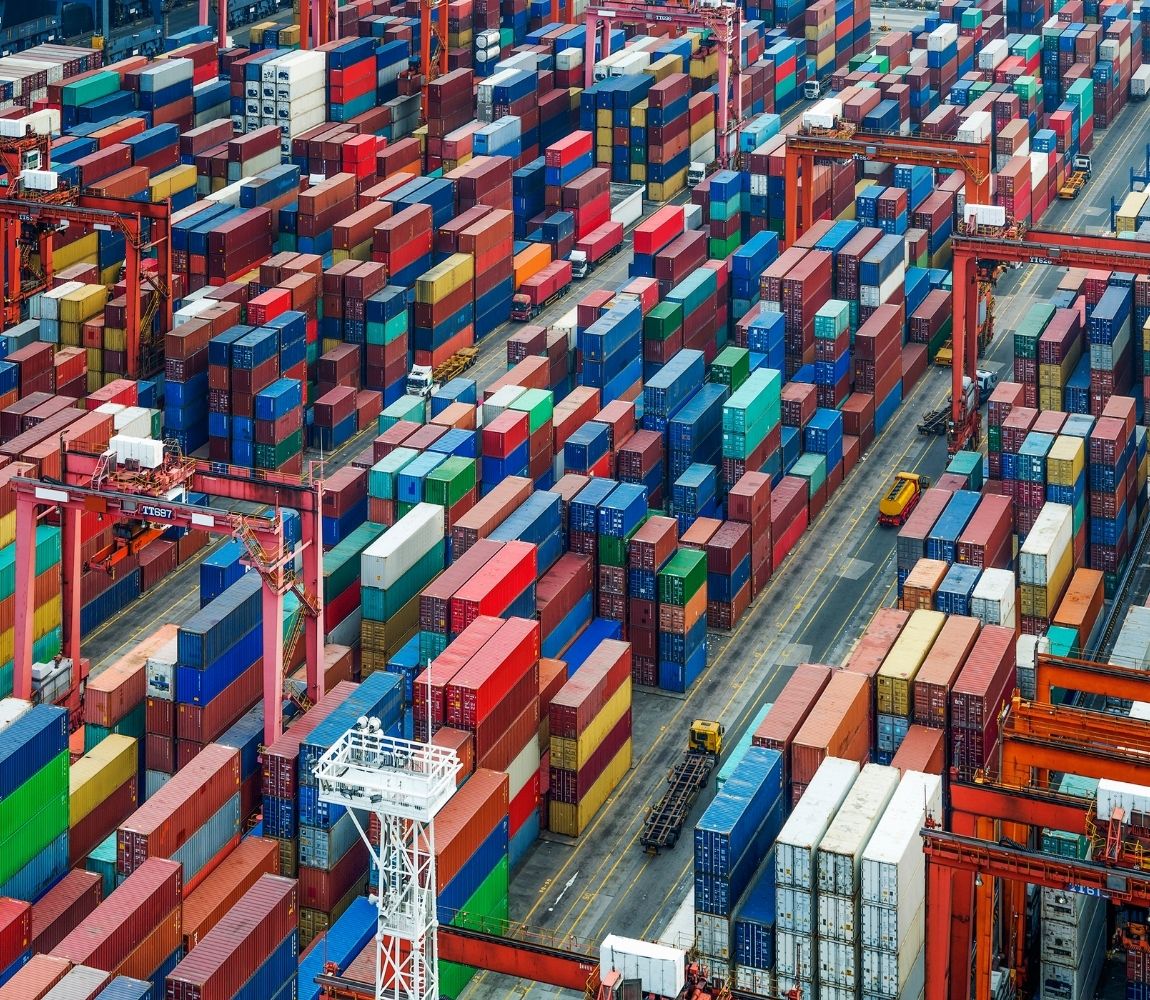
Chinese New Year (Lunar New Year or Spring Festival) 2026 begins on February 17 (the Year of the Horse). This holiday is Asia’s biggest annual manufacturing shutdown, with official holidays likely Feb 17–23. In practice, factories begin closing weeks early and resume slowly, so the supply chain impact often stretches roughly mid-January through early March. U.S. importers should expect factory shutdowns, port congestion, blank sailings, surging freight rates and other disruptions. This guide explains the key effects of CNY 2026 and how to prepare.
- Key dates: CNY 2026 falls on Feb 17 (Year of the Fire Horse). Official holidays in China run about Feb 17–23, 2026
- Extended impact: Overall, think of CNY 2026 as a 6–8 week event. Factories begin tapering production in January and many only return to full speed by mid-March
- Main issues: Expect longer transit times, container shortages, capacity crunches, high volatility in freight rates, and labour shortages in ports and trucking.
Key Takeaways
- Chinese New Year 2026 = long disruption: Officially Feb 17–23, but effects span mid-Jan through mid-March.
- Factories close early: Expect a 3–4 week production shutdown and a slow restart.
- Shipping crunch: Pre-holiday booking surges fill ships; blank sailings and labor shortages then extend transit times by weeks.
- Plan early: Lock in production and book freight months in advance to avoid skyrocketing rates.
- Use buffers and alternatives: Stock extra inventory, diversify routes (other Chinese ports, rail to Europe, air for urgent loads).
- Communicate: Align with suppliers and carriers on shutdown dates, cutoffs and backup plans.
What Happens During Chinese New Year?
Chinese New Year causes widespread slowdowns in manufacturing and logistics across Asia, especially China. More than a billion people travel home (the “Chunyun” migration), and most factories shut for at least the official holiday (and often longer). The result is a steep dip in available capacity and a surge in pre-holiday demand.
Factory Slowdowns and Shutdowns
Typically, Chinese factories start cutting output 2–3 weeks before CNY, as workers leave early. Many firms completely halt production during the holiday. Factories will be fully closed 7–10 days or more, and many stay idle 2–3 weeks. The post-holiday ramp-up is also slow: it can take weeks for labor to return and inspectors to clear backlogs. In practice, importers must plan for a 3–4 week gap in production, not just one week
Logistics Capacity Strain
The Chinese logistics network also tightens up around CNY. With millions on holiday, trucking, rail and warehouse staffing drop sharply. Major ports like Shanghai and Ningbo experience backlogs. MIT CTL notes that freight delays of up to 2–3 weeks for domestic shipments are common during CNY season. Inland trucking can nearly stop: trucker availability in China drops to near zero during CNY week, with transit times (and costs) doubling or tripling. In short, expect longer pickups and congested inland movements.
Pre-Holiday Rush
In the weeks before CNY, exporters try to ship as much as possible. This peak shipping season causes a spike in demand for space on ships, trucks and trains. Ocean and air freight rates often hit their annual peak in January. For example, carriers routinely overbook vessels, leading to “rolled” cargo when space runs out. U.S. West Coast ports can see 20–30% higher volumes as importers front-load inventory. Truck capacity within China also tightens as drivers leave early. In short, the 4–6 weeks pre-CNY are a frantic scramble that drives up rates and uses up available capacity.
Effects on Transit Times
Combined, these effects stretch transit times. With so many blank sailings and labor shortages, goods often take 3–4 weeks longer than normal to arrive. Carriers typically announce blank sailings (canceled voyages) across major trade lanes during and after CNY to balance capacity. For example, Maersk is already scheduling blank sailings on Transpacific routes in late Feb/early March 2026. These blankings mean fewer ships depart port, so cargo can be delayed by weeks. Port congestion and reduced labor further add delays. In past years, transshipment hubs have seen 14–21 day delays at peak. Overall, U.S. importers should assume multiple-week delays on shipments during Jan–Mar 2026 unless precautions are taken.
Container Shortages and Rate Surcharges
As space tightens, a container shortage often develops. Carriers cancel voyages (as above) and ships fill up, so finding a free container becomes hard. Spot rates typically spike dramatically in January. Industry reports say General Rate Increases (GRIs) and Peak Season Surcharges (PSS) pile on week after week through January. In concrete terms, importers have seen surcharges of $1,500–$2,500 per container in past CNY seasons. Likewise, domestic transportation surcharges (trucking/rail) in China can jump 50–100% during the holiday. Plan on significantly higher freight costs and possible extra fees (demurrage, overweight, etc.) during this period.
Recommended Preparation Strategies
U.S. importers can mitigate CNY disruptions through proactive planning:
- Early booking & planning: The golden rule is to book shipments well in advance. Aim to finalize ocean bookings by November–December 2025 for January departures. Some experts recommend securing space 4–6 weeks before your intended departure (i.e. by mid-Jan). Locking in capacity early helps avoid “rolled” shipments and high spot rates. Coordinate with suppliers to confirm their production and cut-off dates, ideally by Fall 2025.
- Monitor rates and budget: Keep close watch on freight rate trends. Ocean carriers may announce GRIs every 1–2 weeks in Q4. Work with your freight forwarder to track spot rate spikes. Consider negotiating long-term contracts early or securing rate quotes before mid-December to avoid the worst surcharges. Also budget for 20–30% higher freight costs overall and unexpected fees.
- Build inventory buffers: Order extra inventory to cover the shutdown gap. Many experts advise a 3–4 week safety stock, and even 30–40% higher inventory for high-demand items. For example, analyze your sales and ensure you have enough on-hand to cover the full 3–4 week production stoppage plus transit delays. Holding more stock now can prevent costly stockouts when Chinese factories are closed.
- Diversify routes and modes: Don’t rely on a single port or mode. Explore alternative ports (e.g. Xiamen, Lianyungang, Qingdao) if Shanghai/Shenzhen are congested. Consider diversifying modes: for urgent or high-value shipments, air freight is fastest (though costly). For other goods, China-Europe rail (“Silk Road rail”) is often a good middle ground: it’s much faster than ocean and cheaper than air, and bypasses port congestion. Even rerouting via Europe or alternate Asian hubs can help.
- Communication and collaboration. Work closely with suppliers and carriers. Confirm your suppliers’ exact shutdown dates and last production days, and ask about any planned audits or export controls. Align on a clear cut-off date for orders (often 3–4 weeks before CNY) and stick to it. Stay in real-time contact with your freight forwarder or shipping line for updates on schedule changes. Having a contingency plan (e.g. freight insurance, backup supplier) will ease stress if delays occur.
- Use analytics and digital tools. Platforms that aggregate freight options can help find space and compare rates on the fly. (See “Alternative Shipping Modes” below.)
Practical Timeline for CNY 2026
Use the following milestones as a rough guide for planning shipments:
- Mid-January (~6 weeks before CNY): Factories begin tapering. Finalize production specs and start ramping up shipping plans.
- Late Jan – Early Feb: Final cut-offs. Book all pre-holiday shipments by the second week of January. Confirm cut-off dates for new orders (usually ~3–4 weeks before Feb 17)
- Feb 15–23: Official Holiday. Most Chinese factories and many logistics services are closed. No new cargo is produced; port operations run on minimal staff.
- Late Feb – Early March: Gradual Recovery. Factories reopen but at reduced capacity (often 30–50%). Expect slow port/rail turnaround and some backlogs.
- Mid-March onward: Full Ramp-Up. By late March, operations should approach normal levels.
(This timeline is illustrative – actual dates may vary. Factor in extra buffer time for transit and customs delays.)
Industries Most Affected
Some sectors feel CNY disruptions more acutely:
- Electronics & Semiconductors: China dominates PCB and component manufacturing. Many electronics parts have single-source suppliers in China, so any delay hits hard.
- Automotive & EV Parts: Auto supply chains are global but just-in-time. Delays in sourcing sensors, batteries or assemblies (often from China) can stall production lines.
- Apparel, Textiles & Toys: Seasonal goods (clothing, accessories, children’s toys, etc.) often rely on Chinese factories. They face tight margins and high shipping volumes in Q1, making delays and freight surcharges a big risk.
- Consumer Goods & Retail: Electronics gadgets, household goods and other retail products see spikes in both Chinese production (for New Year gifts) and U.S. demand. Retailers often build Q1 inventory in Q4, but must plan carefully to avoid gaps.
Conclusion
Chinese New Year is not just a week-long holiday – it’s a global supply chain event spanning weeks of disruptions. U.S. importers should treat CNY 2026 as a planning event, not an afterthought. By locking in production schedules early, booking freight in advance, holding extra inventory, and exploring alternate routes, you can mitigate delays and control costs.
Frequently Asked Questions (FAQ) – OLIMP Warehousing
Q: When is Chinese New Year 2026 and how long is the holiday?
Chinese New Year 2026 falls on Tuesday, February 17, 2026. China’s official public holiday is typically Feb 17–23 (9 days in 2026). However, most factories start closing weeks before Feb 17, and full operations don’t resume until early March, so the supply-chain disruption lasts ~6–8 weeks.
Q: How does Chinese New Year affect shipping and logistics?
It causes a double-whammy of reduced supply and surging demand. Factory output in China will slow or stop ~2–3 weeks before CNY, creating a production gap. Meanwhile, exporters push shipments early, leading to fully booked ships, blank sailings and high freight rates. Ports and trucking networks also tighten due to labor shortages. The net result: long delays and a scramble for capacity.
Q: How long do the factory shutdowns last?
Most factories shut for at least the official holiday week, but the “freeze” is longer. Workers often leave 1–2 weeks before Feb 17, and factories may not run at normal pace until late Feb or early March. In practice, plan for about 3–4 weeks of minimal production around CNY.
Q: What are blank sailings and how do they impact cargo?
Blank sailings are when carriers cancel scheduled voyages due to low cargo volume. During/after CNY, with no new production, carriers purposely cancel ships to manage capacity. This keeps freight rates high but means shipments are often rolled to later sailings. Cargo left at the port may wait extra weeks for the next vessel.
Q: What can U.S. importers do to prepare for CNY disruptions?
Start early: finalize orders and book freight now, not later. Experts suggest locking in production schedules by late 2025 and securing bookings by Dec–Jan. Build extra inventory (aim 30–40% buffer) to cover the 3–4 week shutdown. Diversify shipping: consider alternate Chinese ports or China-to-Europe rail (faster than sea, cheaper than air). Communicate closely with suppliers and carriers on exact shutdown dates and contingency plans.
Q: Are there alternatives to ocean freight during CNY?
Yes. Rail freight (China-Europe) can be a fast, cost-effective alternative to ocean; it bypasses busy ports and runs ~15–20 days transit to Europe. From Europe, goods can continue by ship or air to the U.S. Air freight is another option for critical goods – it’s expensive but much faster. Using a mix of modes and routes can avoid the worst congestion on standard ocean lanes.
Q: Which industries are most affected by CNY delays?
Industries heavily tied to Chinese production see the biggest impacts. Electronics and semiconductors (PCBs, chips, components) are especially vulnerable. Automotive parts and EV components (many sourced from China) face high risk of supply gaps. Apparel, textiles, toys and general consumer goods also suffer, since spring collections and toys often depend on Q1 deliveries from China.
You may be interested in
Pallet Rework Services: Restacking Freight & Preventing Shifted Loads
Pallet rework – sometimes called load rework or freight rework – is the corrective handling of a shifted or rejected shipment. When a load leans, collapses or arrives poorly stacked, a specialist will unload the freight, inspect the damage, rebuild the pallets and redistribute weight so it can be safely delivered. This guide explains why […]

Freight Shipping Types: Costs, Methods, and Best Practices
Freight shipping moves goods that are too large or heavy for standard parcel networks. In practice, many carriers define freight as shipments above 150 pounds, while smaller shipments usually move through parcel services. What Is Freight Shipping? Freight shipping is the transport of goods that are too heavy or bulky for standard parcel carriers. Shipments […]

B2B Fulfillment Services: How B2B Order Fulfillment Works
B2B fulfillment is the process of receiving, storing, picking, packing, and shipping products from one business to another. Instead of sending individual consumer orders, B2B order fulfillment often involves cartons, pallets, bulk quantities, freight transportation, purchase orders, and buyer-specific shipping or labeling requirements. Companies use B2B fulfillment services when they need to deliver inventory to retailers, […]
Ready to streamline your warehousing needs?
Request a quote today and discover how OLIMP's tailored solutions can optimize your operations