Warehousing & Logistics Services in Greencastle, PA
Strategic Storage & Distribution along the I‑81 Corridor
Nestled in Franklin County, Greencastle sits on the I‑81/I‑70 corridor, a key logistics artery that offers quick access to Baltimore‑Washington, Philadelphia, Pittsburgh and other Mid‑Atlantic markets. Major employers have established distribution centers here because the region provides immediate connections to intermodal rail yards and ports. Olimp’s Greencastle location leverages this strategic position to provide businesses with secure storage, rapid cross‑docking and integrated drayage solutions. Whether you need overflow storage for seasonal peaks or a long‑term distribution hub, our flexible warehouse spaces and experienced logistics team keep your supply chain moving.
Get Storage Warehouse Now
Get Started with Cross Docking
Secure Your Shipments Today
Request a Transloading Consultation
Warehousing Services
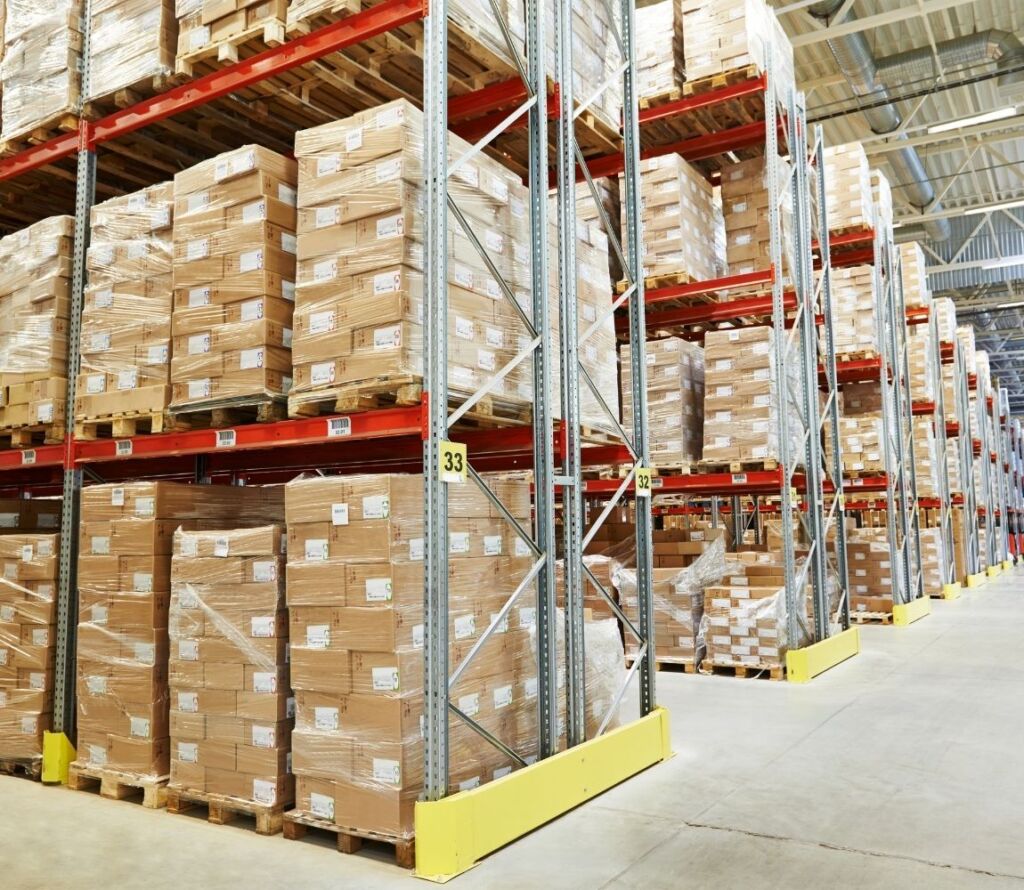
Flexible storage options – From racked inventory to bulk floor space, our Greencastle facility offers climate‑controlled and ambient zones to protect sensitive goods. Inventory is managed through a real‑time WMS, and 24/7 monitored access keeps your products secure. Choose short‑term overflow, long‑term contracts or scalable month‑to‑month arrangements to match your business needs.
Strategic location – Greencastle is at the crossroads of I‑81 and I‑70 and sits near the CSX Chambersburg and Norfolk Southern intermodal yards. This location in the Cumberland Valley logistics hub provides direct access to major metropolitan areas, reducing transit time and freight costs. Our warehouse is also near ports such as Baltimore and Norfolk for convenient import/export operations.
Industries served – Food & beverage, retail & e‑commerce, consumer goods, industrial equipment and pharmaceuticals. We maintain food‑grade standards, temperature monitoring and strict quality control to meet industry‑specific requirements.
Cross‑Docking Solutions
Rapid transfer capabilities – When speed matters, our cross‑docking operation moves freight directly from inbound to outbound trailers. We utilise multiple dock doors and advanced material‑handling equipment to minimise handling and accelerate distribution. Real‑time tracking ensures every shipment is accounted for during transfer.
Efficiency benefits – Cross‑docking reduces storage needs, lowers handling costs and gets products to market faster. With Greencastle’s highway and intermodal access, your goods can be re‑routed to regional destinations within hours instead of days.
Pallet Rework & Packaging
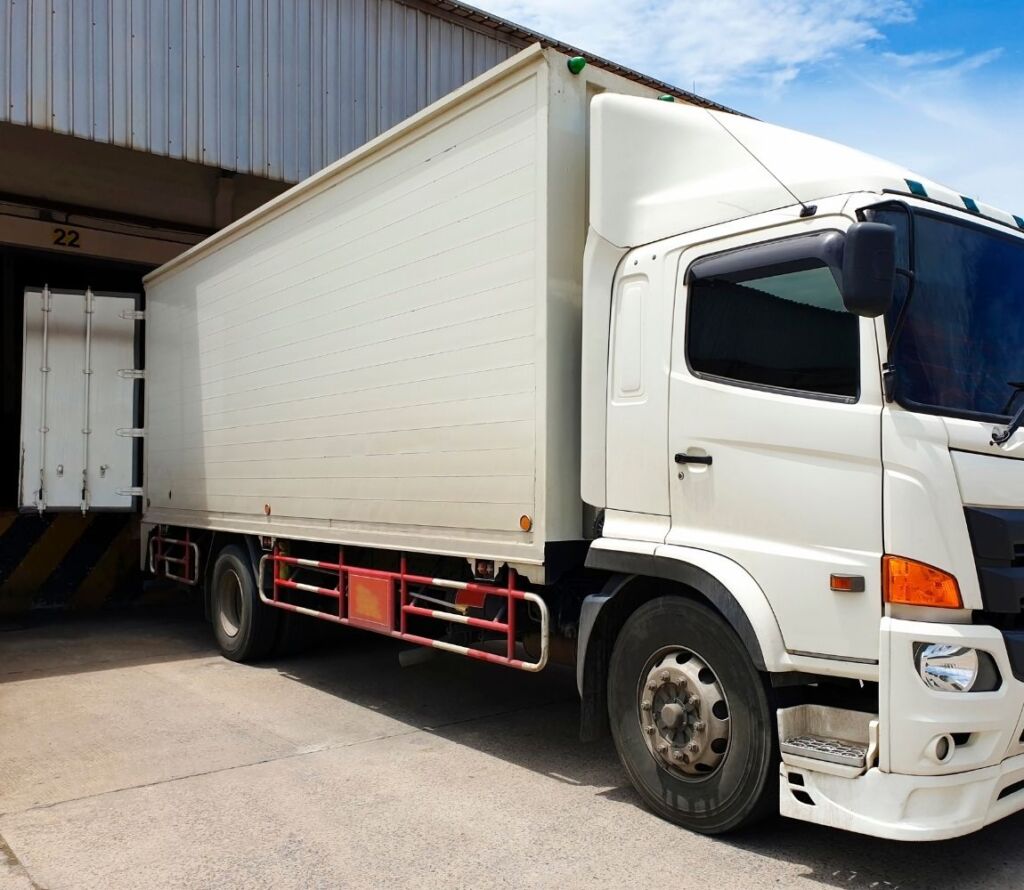
Compliance & customisation – Pallet rework involves reconfiguring, labeling and securing pallets so that they comply with retailer specifications. Our team performs shrink‑wrapping, labeling, barcoding and pallet exchange on‑site. We also offer packaging and kitting services, ensuring that products arrive shelf‑ready at distribution centers.
Retail & e‑commerce support – By correcting damaged or non‑conforming loads before they reach your customers, pallet rework reduces rejected shipments and chargebacks. These services are ideal for omni‑channel retailers, consumer goods manufacturers and importers.
Seamless Transloading & Drayage Solutions for Faster Supply Chains
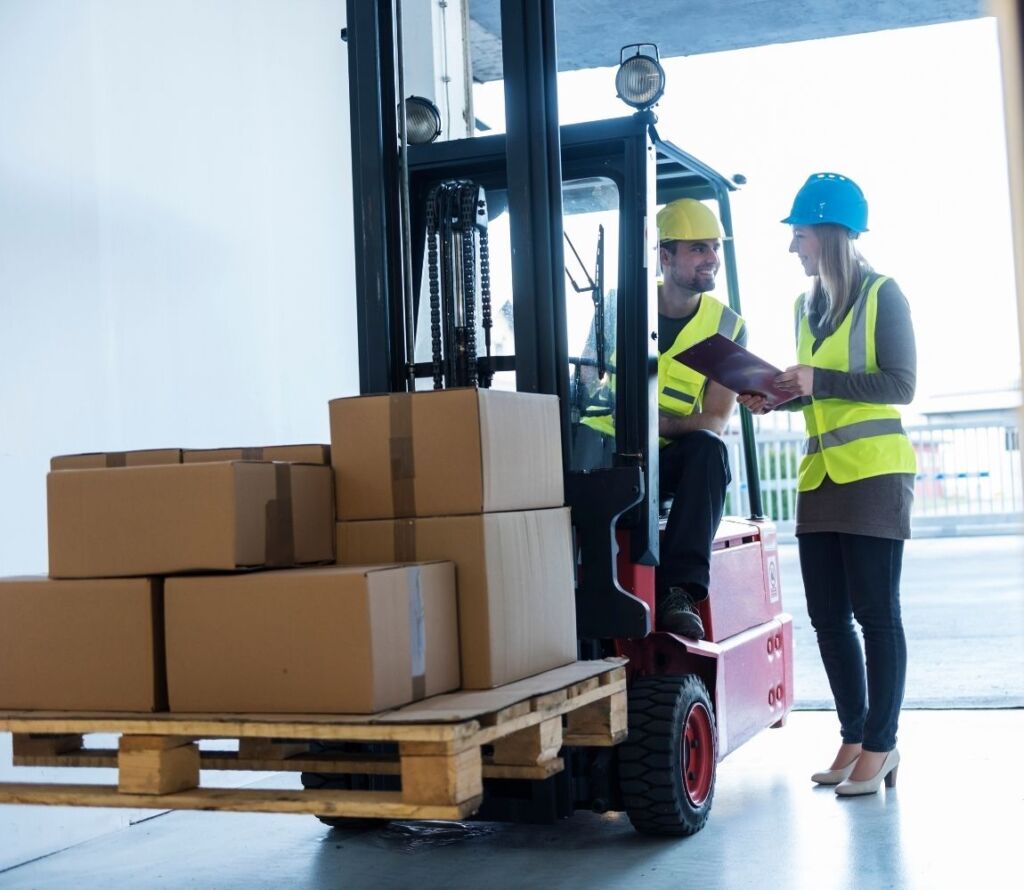
Integrated drayage – Our local drayage network connects Greencastle warehouses with nearby rail ramps and ports. We pick up containers from the CSX Chambersburg and Norfolk Southern Greencastle yards and transport them to our facility or deliver outbound loads back to the rail. For importers and exporters, we also provide drayage to the Port of Baltimore and other East Coast ports.
Transloading efficiency – When freight needs to switch modes or trailers, we provide transloading services that transfer cargo between ocean containers, rail cars and truck trailers. This eliminates wasted transport capacity and ensures compliance with weight restrictions. Our expertise in cross‑docking and transloading allows you to consolidate shipments and reduce total freight spend.
Frequently Asked Questions (FAQ) – OLIMP Warehousing
Q: What warehousing services do you offer in Greencastle, PA?
We provide climate‑controlled and ambient storage, racked and bulk space, inventory management, order fulfillment and 24/7 monitored security. Flexible contracts let you scale space up or down.
Q: How close is your facility to major highways?
Our Greencastle operations are near the intersection of I‑81 and I‑70 and within a few miles of the CSX Chambersburg and Norfolk Southern Greencastle intermodal yards, giving you fast highway and rail access.
Q: Can you handle food‑grade or temperature‑sensitive products?
Yes. Our climate‑controlled zones adhere to food‑grade standards and maintain consistent temperatures for perishable or sensitive goods.
Ready to streamline your warehousing needs?
Request a quote today and discover how OLIMP's tailored solutions can optimize your operations