3PL Warehouse vs Amazon FBA: Which Is More Cost-Effective Long Term in 2026 (USA Market)
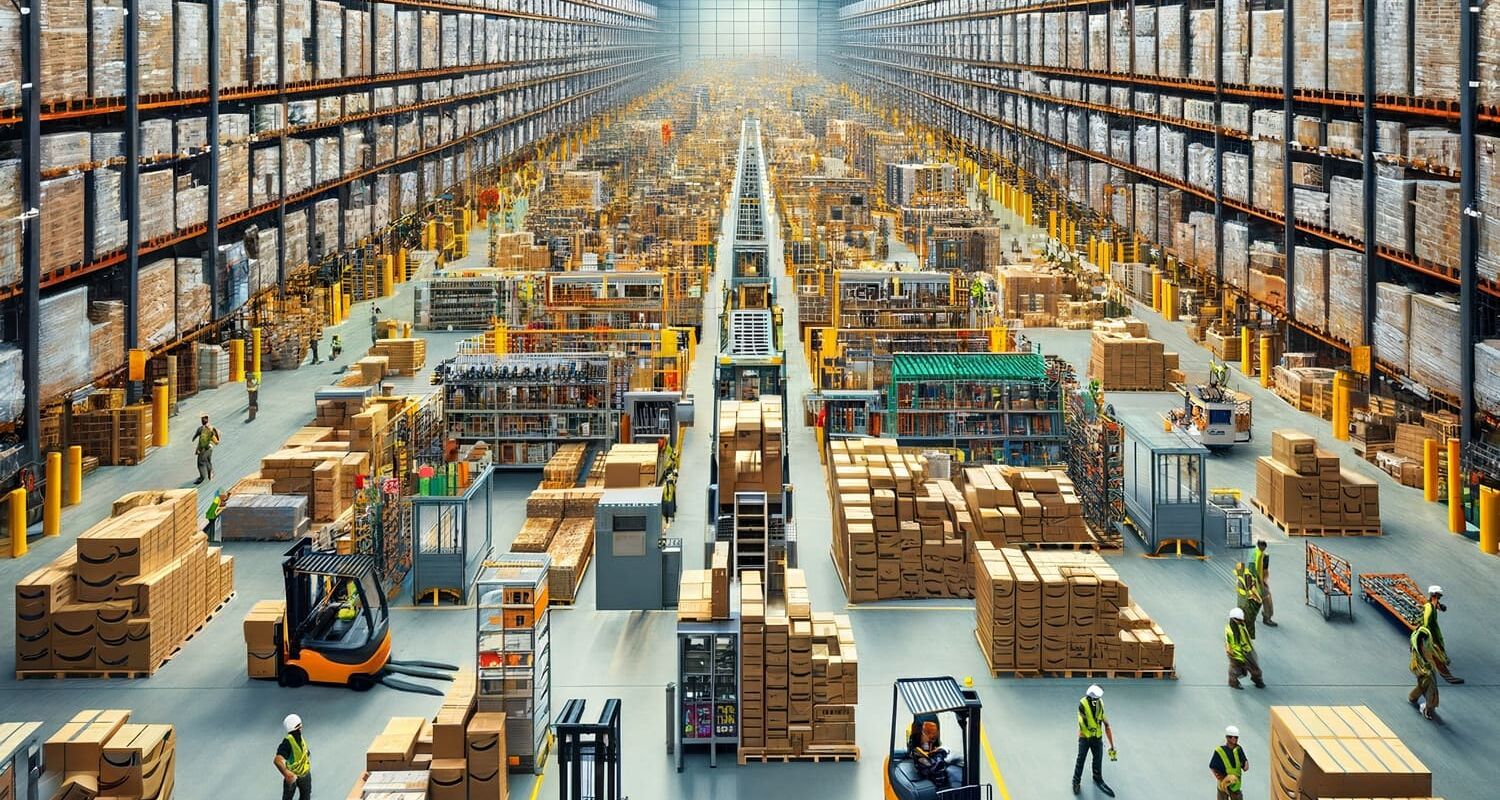
Most Amazon-only sellers with fast-moving, small items often find FBA simple and competitive, while many multi-channel or slower-turn brands benefit from the more negotiable, more predictable economics of a 3PL over time, especially once minimums are amortized and you’re actively managing FBA storage and aging exposure.
- FBA can be cost-effective long term when your SKUs are small/standardized, inventory turns quickly (before aging exposure), and your strategy is heavily Amazon-first.
- A 3PL often becomes more cost-effective as you scale, go multi-channel, or need predictable storage, because pricing is usually line-itemized and can be negotiated with volume tiers and contract terms.
- Q4 storage is a major differentiator: Amazon’s published storage rates jump materially in Oct–Dec, which can dominate annual cost if you hold deep inventory.
- Inventory age is the silent budget killer in FBA: Amazon states aged inventory is charged monthly after 181 days, so slow movers can flip the math fast.
- Model minimums and returns for 3PLs: many 3PLs have monthly minimums and separate returns processing costs that must be included in a true cost comparison.
- Hybrid is often the “best of both” in 2026: 3PL for bulk + FBA for velocity minimizes penalty exposure while keeping delivery speed high.
A 3PL (third-party logistics) provider is a company you outsource warehousing and fulfillment to, typically covering storage, pick/pack, shipping, and often returns.
Fulfillment by Amazon (FBA) is a program where you send inventory into Amazon’s network and Amazon stores it, then picks, packs, ships, and handles customer service and returns, while also enabling fast Prime delivery benefits for customers.
If you’re researching a 3PL vs Amazon FBA cost comparison for the U.S. market in 2026, the “cheapest” option long term usually depends less on a single fee line, and more on inventory age, seasonality, channel mix, and how fast you can scale without fee surprises.
Understanding the cost models in 2026
The fastest way to compare fulfillment costs in the USA is to separate:
- Costs that happen whether you sell or not (storage, minimums, account fees).
- Costs that happen per order (pick/pack/ship, packaging, returns).
- Costs that happen when inventory “misbehaves” (aged/overage fees, removal/disposal, special handling, compliance/prep).
A realistic total-cost model for 2026 should also assume fee schedules can change year-to-year. For example, Amazon announced 2026 U.S. fee updates that included an average FBA fee increase of about $0.08 per unit sold (effective January 15, 2026, unless otherwise noted).
Amazon FBA cost structure in 2026
Think of FBA as a “bundled network fee” plus storage, where many costs are standardized by size/weight tiers and measured volume.
Core FBA cost buckets (what you’re paying for):
- Per-unit fulfillment fee (includes pick/pack plus shipping/handling, customer service, and returns support).
- Monthly storage fees based on daily average cubic feet, with a steep seasonal jump in Q4 (Oct–Dec).
- Aged-inventory charge: Amazon states aged inventory is charged monthly for items stored more than 181 days.
- Inbound placement service: FBA inbound placement has an added cost tied to distributing inventory closer to customers, with charges assessed after receipt (Amazon notes you see estimates in the shipping plan and you’re charged later based on quantities/location).
- Returns processing (for certain returns scenarios) and removal/disposal/liquidation per-item charges if you want inventory out.
The Q4 storage reality (why “annual cost” is not the average month):
Amazon lists standard-size storage at $0.78 per cubic foot (Jan–Sep) and $2.40 per cubic foot (Oct–Dec), meaning Q4 is a little over 3× the off-peak rate, before any aged/overage effects.
Hidden/commonly underestimated FBA cost drivers in 2026:
- Inventory aging exposure: if a meaningful share of inventory crosses the 181-day threshold, your cost curve changes because you’re paying more than just “rent.”
- Capacity/overage-type fees: some sellers only discover overage-style fees after scaling a catalog or over-sending into the network.
- Removal/disposal timing and cleanup cycles: if you routinely clear slow movers, the “per-item” removal/disposal economics matter at scale.
- Prep/label workflow changes: Amazon ended U.S. FBA prep and labeling services as of January 1, 2026, shifting more compliance work upstream (internal ops or third-party partners).
- Packaging/insert policy constraints: even when you can include documentation, Amazon explicitly prohibits inserts/packaging that try to steer customers toward positive reviews or away from leaving negative reviews on Amazon.
3PL warehouse cost structure in 2026
A 3PL pricing model is usually more “line-itemized,” and often more negotiable, especially when you have consistent volume and clean operations.
Typical 3PL fee components (what you’ll see in quotes):
- Receiving/inbound handling (by pallet, unit, or labor time).
- Storage (commonly per pallet or per cubic foot).
- Pick & pack (often a base pick + per-additional-item structure).
- Packaging materials (sometimes included, often separate).
- Shipping charges (carrier costs passed through, sometimes with discounts/markups depending on the agreement).
- Returns processing (inspection/restock/disposal fees).
- Monthly minimums / base fees in many contracts.
What “typical” can look like in 2026 U.S. terms (ranges, not guarantees):
- Storage is often cited in ranges like $0.43–$0.78 per cubic foot per month in many U.S. warehouse/3PL contexts (with variability by region, service level, and complexity).
- Pick/pack economics vary widely, but many guides describe a base pick fee plus additional picks (for example, first-pick fees often around the low-to-mid dollars, with smaller add-on pick fees).
- Monthly minimums are common enough that it’s useful to model them explicitly; one 2026-oriented industry write-up notes average minimum monthly spend requirements around the ~$500 range (varying heavily by 3PL type and target customer).
Important nuance: a 3PL is not automatically “no penalties.” Some 3PLs add long-term storage surcharges or special handling fees, but the structure is usually contractual and negotiable rather than platform-wide standardized.
Side-by-side: cost dynamics and operational tradeoffs
Here’s the cleanest way to compare FBA vs 3PL cost analysis without getting lost in a spreadsheet: focus on which model punishes your business’s natural “messiness” the most.
Storage cost consistency
- FBA storage is explicitly seasonal in Q4 (Oct–Dec), which can materially change annual storage spend even if average inventory levels stay constant.
- 3PL storage is often more linear month-to-month (pallet/cubic foot pricing), though terms vary and some providers add surcharges.
Pick/pack pricing shape
- FBA fulfillment fees scale per unit by size tier/weight and bundle multiple services into one fee.
- 3PL pick/pack is typically itemized (base + each pick + packaging + shipping), which can be cheaper at scale, but can also surprise you if you have multi-line orders, kitting, or high-touch packing.
Peak season cost exposure
- With FBA, Q4 storage is an explicit multiplier; for many brands, that drives the “long-term” decision more than the per-order fee.
- With 3PLs, peak constraints are more likely to show up as capacity limits, cutoffs, or negotiated peak surcharges rather than a universal published multiplier.
Inventory aging
- Amazon states aged inventory charges start once items are stored more than 181 days, meaning slow movers can become structurally expensive inside FBA.
- Most 3PL pricing discussions emphasize ongoing storage billing; the “penalty” is usually simply paying storage longer (sometimes with contract-defined long-stay surcharges).
Prime and customer expectations
- FBA is positioned explicitly around offering customers fast delivery benefits associated with Prime and outsourcing fulfillment to Amazon.
- If you use a 3PL but still want Prime badging on merchant-fulfilled offers, Seller Fulfilled Prime exists, but it requires meeting Prime performance expectations before you can display Prime branding on listings.
Long-term cost effectiveness scenarios for U.S. ecommerce in 2026
Long-term cost effectiveness is rarely “FBA vs 3PL” in the abstract. It’s “FBA vs 3PL for my order profile, my inventory turns, and my channel strategy.”
When Amazon FBA often wins long term
You are primarily Amazon-only, with fast inventory turns.
FBA’s value is strongest when inventory turns before aging thresholds and your SKUs fit favorable size tiers, because the fulfillment fee bundles pick/pack/shipping plus customer service and returns support.
Your product is small and standardized.
Amazon’s published tables show meaningful step-ups as weight/size increases, so staying in a low weight band can keep per-unit economics competitive.
You want simplicity more than flexibility.
If your alternative is managing separate 3PL storage + pick/pack + shipping + returns + integrations, the operational simplicity of FBA can offset slightly higher fees (especially at lower volume).
When a 3PL often becomes cheaper long term
You’re multi-channel (Amazon + DTC + marketplaces).
A core 3PL advantage is running one inventory pool for multiple channels and controlling routing rules, packaging, and customer experience via integrations.
At the same time, Amazon is expanding its own multi-channel footprint via Amazon Multi-Channel Fulfillment integrations (including Shopify and Walmart), which can blur the line, but it’s still an Amazon network economics model, not a negotiated 3PL contract.
Your inventory is seasonal-or you carry deeper stock.
The Q4 storage multiplier matters. Even a “reasonable” inventory position can become expensive if it sits through October–December at the higher published storage rate.
You’re paying for inventory age.
If a material slice of your catalog crosses the 181-day aged threshold, you’ve moved from “storage rent” to “storage rent + aging penalty,” which tends to push brands toward off-Amazon staging, liquidation workflows, or a 3PL-first storage model.
A simple breakeven example you can sanity-check
Assume a standard-size unit occupies 0.2 cubic feet and sits an average of 60 days before it sells. Using Amazon’s published storage rates:
- Jan–Sep storage: 0.2 × $0.78 × 2 months ≈ $0.31 per unit
- Oct–Dec storage: 0.2 × $2.40 × 2 months ≈ $0.96 per unit
That’s a ~$0.65 per unit swing purely based on season, not counting inbound placement, returns processing, removals, or aged-inventory exposure.
Now compare that to a 3PL storage range where many U.S. warehouses cluster around $0.43–$0.78 per cubic foot/month (exact quotes vary), and you can see why brands with long dwell times often migrate bulk storage into 3PLs and keep FBA lean.
Hybrid fulfillment as the most cost-efficient “default” in 2026
Many mature U.S. e-commerce fulfillment strategies look hybrid:
Keep bulk/slow-moving inventory in a 3PL (predictable storage, flexible handling).
Feed fast movers into FBA to capture Prime-speed delivery benefits while minimizing Q4 rent and aging exposure.
This has become even more relevant after Amazon ended U.S. FBA prep/label services in 2026, because many brands need upstream partners (often 3PLs or prep centers) to keep inventory compliant before it ever touches Amazon’s network.
Conclusion
If you want the most cost-effective long-term decision in the United States market, build a simple model around your inventory age, Q4 exposure, and channel mix, and then choose the fulfillment stack that stays predictable as you scale. Start with one quarter of real data, then reforecast for where you expect order volume and SKU count to be in 12–24 months.
Frequently Asked Questions (FAQ) – OLIMP Warehousing
Q: Is a 3PL cheaper than Amazon FBA long term?
Often yes for multi-channel brands or slower-turn catalogs, because 3PL storage/pick fees are typically more linear and negotiable, while FBA has seasonal storage and aging exposure after 181 days.
Q: When should a seller switch from FBA to a 3PL?
Common triggers include: expanding beyond Amazon, consistently holding inventory into Q4, hitting aging exposure, or needing more control over packaging/ops workflows.
Q: How do I calculate the breakeven point between FBA and a 3PL?
Compute a per-order total for both models using (1) fulfillment/pick-pack, (2) storage based on average days on hand, (3) inbound + prep/compliance, and (4) returns/removal assumptions, then divide any 3PL monthly minimum by expected orders to see your “minimum cost per order” floor.
Q: FBA vs 3PL: which is cheaper for bulky products?
Bulky items often push you into higher Amazon fee tiers, while many 3PL contracts let you negotiate rates based on physically handling/storing bulky SKUs, so a 3PL can be more cost-advantaged for big/heavy catalogs, depending on shipping zones and handling complexity.
Q: Top strategies to avoid Amazon aged inventory fees in 2026?
Keep FBA inventory lean by replenishing more frequently, liquidating/removing slow movers before they age, and staging bulk inventory off-Amazon when your sell-through is uncertain, because Amazon states aged inventory charges apply beyond 181 days.
Q: How do I negotiate better rates with 3PL providers?
Come with clean operational data (orders/month, average items/order, carton dims, return rate), request tiered volume pricing, clarify all “extra” line items (packaging, returns, account fees), and negotiate minimums and SLA-based penalties or credits.
You may be interested in
3PL vs In-House Logistics: When to Use a Warehouse or 3PL? (Essential Guide)
Running order fulfillment from your garage or back room can save money at first, but growth brings new challenges. In-house logistics means you handle everything yourself – storing inventory, packing boxes, managing shipping, and processing returns. This gives you full control and customization, but it becomes complex as orders grow. A 3PL (third-party logistics) provider […]
New Jersey vs West Coast Fulfillment: Does Location Really Matter for 2-Day Shipping in the U.S.?
For U.S. DTC brands, a fulfillment warehouse in New Jersey can feel like the perfect “ship fast everywhere” solution-until West Coast customers start seeing 5-7 day delivery windows and support tickets spike. The real question in east coast vs west coast fulfillment isn’t “Which coast is better?”-it’s “When does geography materially change speed and cost […]

What Is Warehousing and Distribution? A Complete Guide to Modern Logistics & 3PL Services
Warehousing and distribution are the connected logistics functions that store inventory safely and move it efficiently to retailers, businesses, or end customers to meet service expectations. Why Warehousing & Distribution Matter Warehousing and distribution sit at the center of modern supply chains because they translate “inventory on paper” into products customers can actually receive-accurately, on […]
Ready to streamline your warehousing needs?
Request a quote today and discover how OLIMP's tailored solutions can optimize your operations
